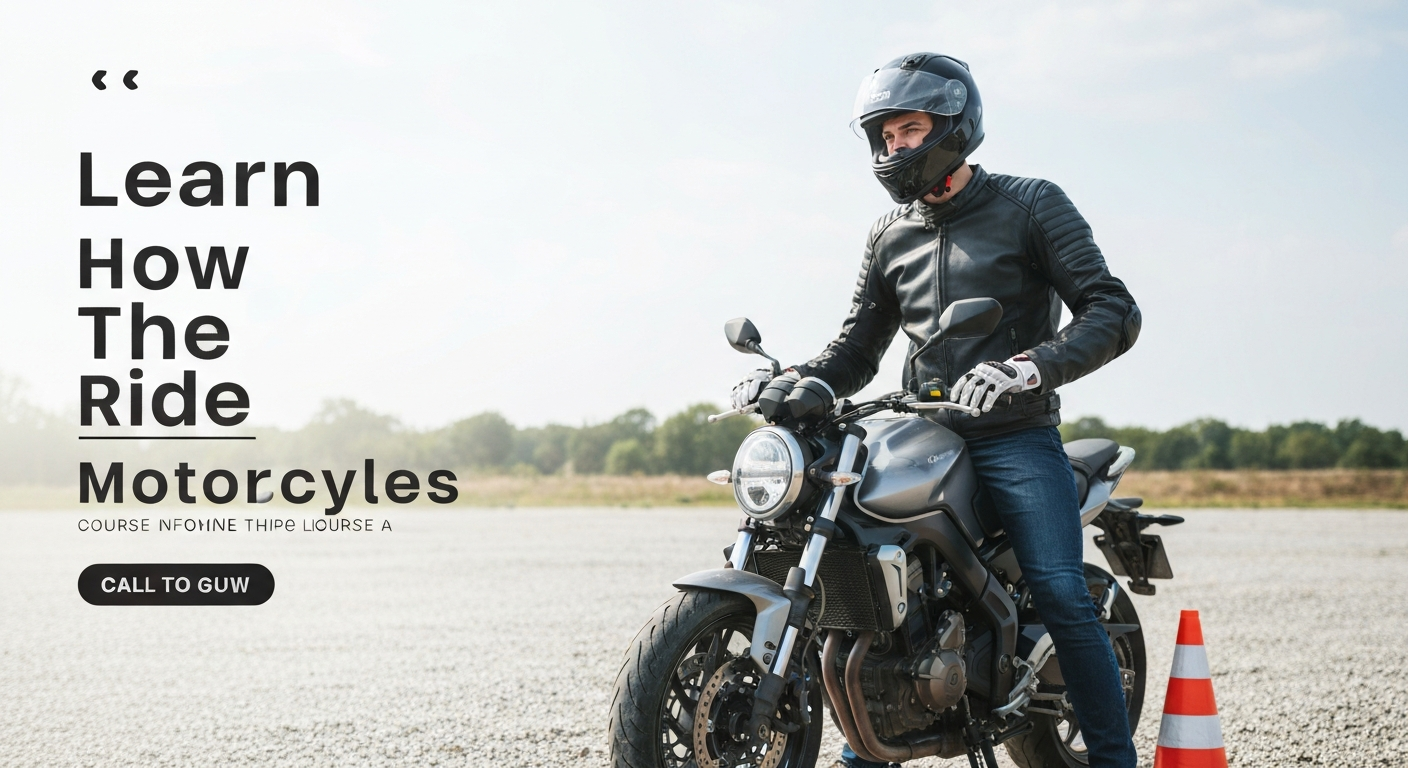
Beginner Motorcycle Gear Guide
Quick Answer
A beginner motorcycle rider needs a DOT-approved full-face helmet, a motorcycle-specific armored jacket, full-fingered riding gloves, over-the-ankle boots, and durable riding pants. This essential safety gear protects against abrasion and impact, and should be purchased before attending any hands-on riding course.
The right gear matters before your first ride. Learn what each piece of motorcycle gear does, what to look for, and why fit and quality matter.
Affiliate Disclosure: Some gear links may be affiliate links. We may earn a commission at no additional cost to you. Recommendations are based on safety, fit, quality, and beginner usefulness.
A beginner motorcycle rider needs a DOT-approved full-face helmet, a motorcycle-specific armored jacket, full-fingered riding gloves, over-the-ankle boots, and durable riding pants. This essential safety gear protects against abrasion and impact, and should be purchased before attending any hands-on riding course.
Quick Summary: Learn How To Ride Motorcycles provides a comprehensive beginner gear guide to help new riders choose the right safety equipment. This page covers essential motorcycle gear including DOT-approved helmets, CE-armored jackets, riding gloves, and over-the-ankle boots. It is designed to help beginners understand fit, safety ratings, and what to buy before their first ride.
1. Motorcycle Helmets
Your helmet is the single most important piece of gear you will buy. For beginners, a full-face helmet is strongly recommended because it protects your chin and jaw—areas frequently impacted in a crash.
- Safety Ratings: Look for DOT (minimum US standard), ECE 22.06 (European standard, highly regarded), or Snell certifications.
- Fitment: It should fit snugly without painful pressure points. It will loosen slightly as it breaks in.
- Visor: Ensure it has a clear, scratch-resistant face shield. Pinlock readiness is a huge plus for preventing fog.
Full-Face Protection
Beginner Recommendation:
Look for entry-level full-face helmets from reputable brands like HJC, Sedici, or Bell. Expect to spend $150 - $300 for a safe, quality starter helmet.
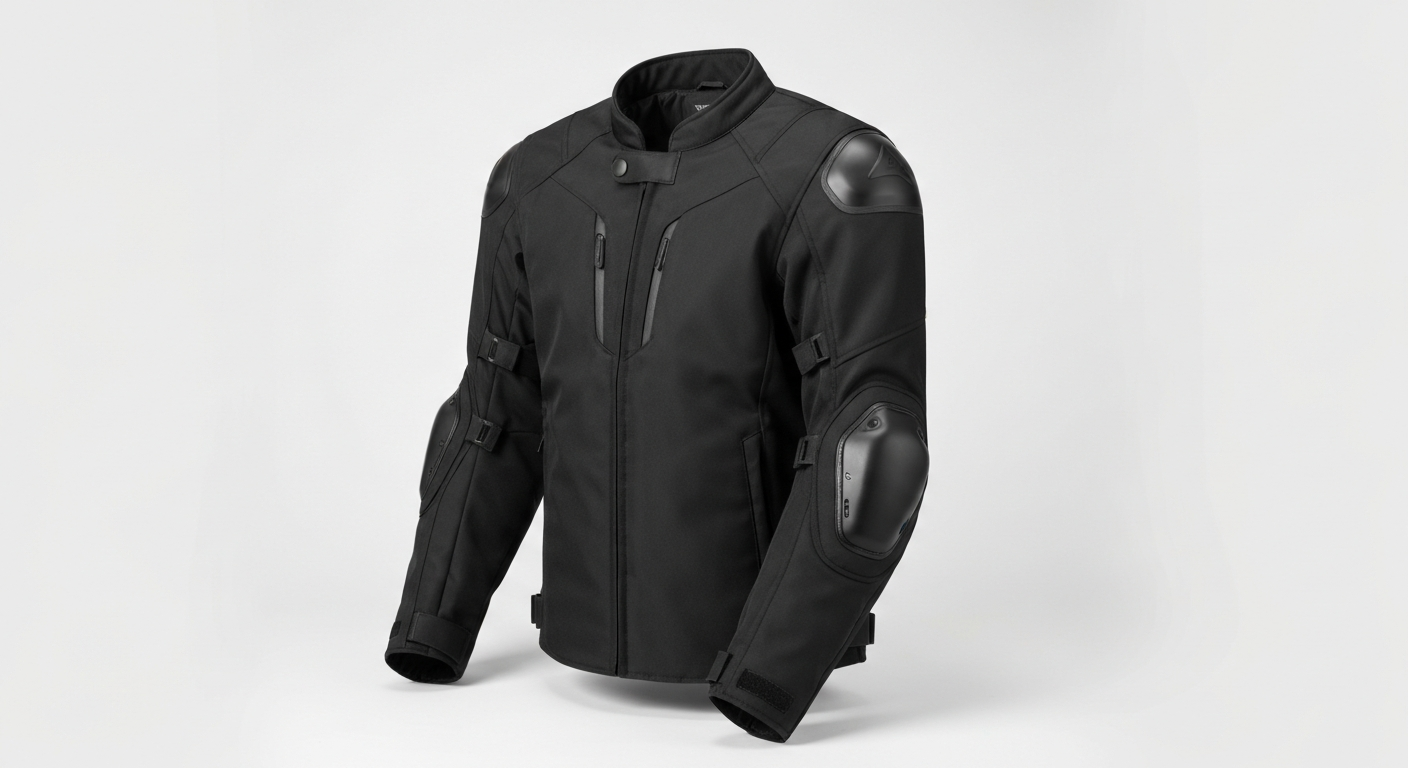
Textile & Leather Jackets
Beginner Recommendation:
A mesh or textile jacket with CE-rated armor is versatile for most weather. Brands like Joe Rocket, Rev'It, or Alpinestars offer great entry options.
2. Riding Jackets
A proper riding jacket protects you from abrasion (sliding) and impact. Regular fashion leather or denim will tear instantly on the pavement.
- Material: Textile (mesh for summer, solid for winter) or motorcycle-grade Leather.
- Armor: Must include CE-rated armor in the shoulders and elbows. A back protector is highly recommended (often sold separately).
- Visibility: Look for reflective piping or high-visibility colors to help drivers see you.
3. Motorcycle Gloves
Human instinct is to put your hands out when you fall. Motorcycle gloves protect your skin and bones, and provide better grip on the controls.
- Full Coverage: Always choose full-fingered gloves. Fingerless gloves offer zero protection in a slide.
- Protection: Look for hard knuckle armor and palm sliders (which help your hand slide instead of catching and breaking your wrist).
- Style: Gauntlet gloves cover the wrist entirely, while short-cuff gloves are cooler for summer but offer slightly less wrist protection.
Armored Riding Gloves
Beginner Recommendation:
Start with a comfortable leather or reinforced textile glove. Make sure you can easily operate the clutch and front brake.
How Should Your Gear Fit?
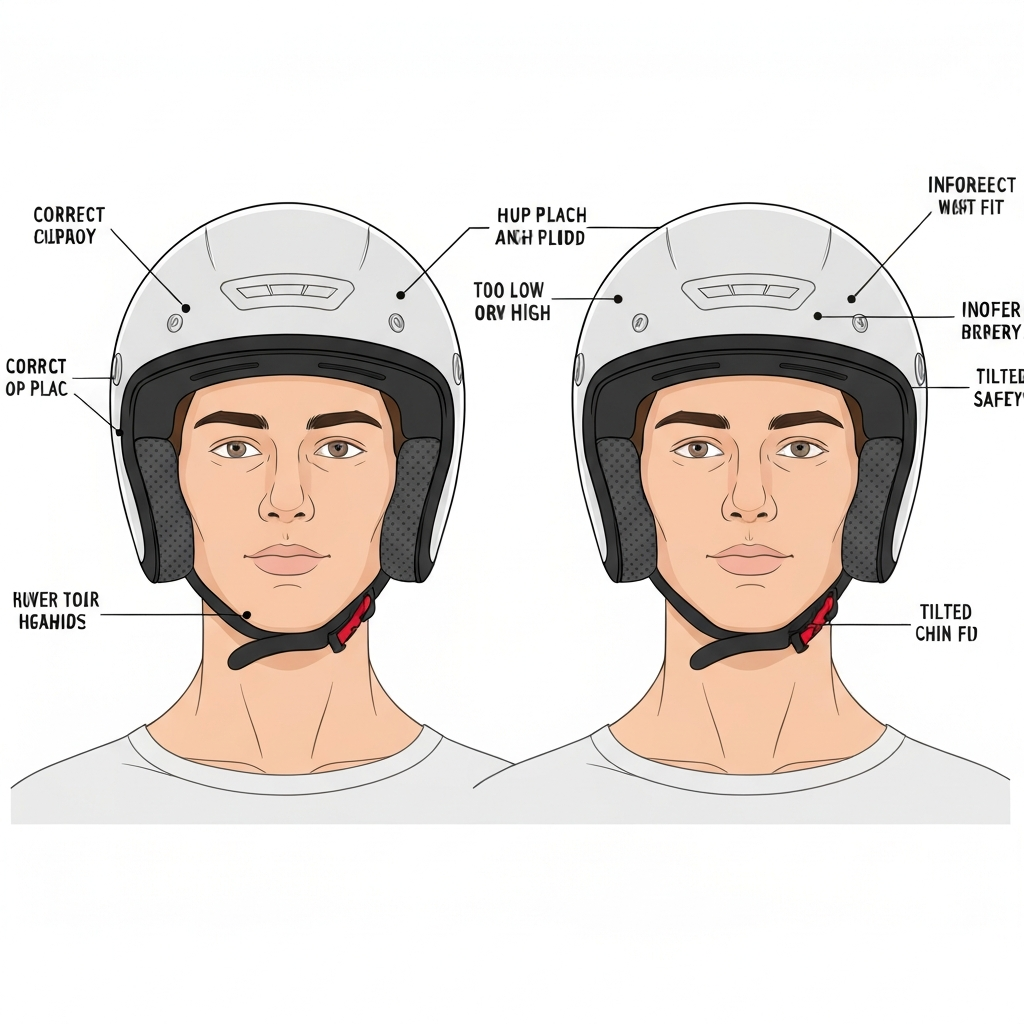
Properly fitted gear is the difference between protection and injury. Use this visual guide to ensure your equipment is working for you.
The "Snug" Test
A helmet should fit snugly around your entire head. It should not move independently if you shake your head, but it shouldn't cause a headache either.
Cheek Pads
Your cheeks should be slightly pushed up (the "chipmunk look"). If you can easily slide a finger between your cheek and the pad, the helmet is too big.
Warning: Used Helmets
Never buy a used helmet. You don't know if it's been in an accident or how old the internal foam is. Helmets are single-use protection items.
Completing Your Kit
Riding Boots
Sneakers will fly off in a crash. You need sturdy, over-the-ankle boots with reinforced toes, heels, and ankle cups to prevent crushing injuries.
Riding Pants
Regular jeans offer less than a second of slide protection. Look for riding jeans lined with Kevlar/Aramid and CE-rated knee/hip armor, or dedicated textile pants.
Eye Protection
If you wear a half-helmet (not recommended), you must have shatter-resistant eye protection to block wind, bugs, and road debris.
Earplugs
Wind noise at highway speeds causes permanent hearing damage over time. Motorcycle-specific earplugs block wind noise while letting you hear sirens and horns.
Common Gear Questions
Don't Ride Until You're Ready
Having the right gear is only step one. Make sure you also have the right training before you hit the road.